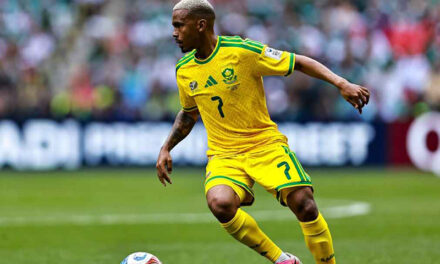
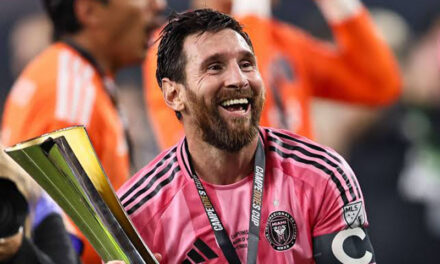
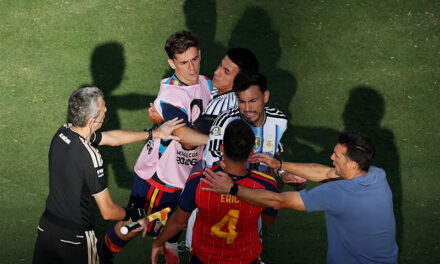
Source: @The Athletic
Lionel Messi has ended his international career, closing the book on two decades of service to Argentina just weeks after the Albiceleste fell to Spain in the FIFA World Cup 2026 final. The announcement, posted to Instagram on 31 August, brings a formal conclusion to a story that many assumed had already reached its natural finish after the 2022 triumph in Qatar.
At 39, Messi leaves the national side as its most decorated and most scrutinised player, a man whose relationship with the shirt swung from public frustration in the mid-2010s to near-universal adoration once the World Cup finally arrived. His statement leaned on that history, acknowledging the effort he put in long before the trophies came, not merely once success made the sacrifice easier to justify.
A Career Measured in World Cups
Messi’s international ledger is unusual in its length and its shape. Few players remain fixtures of a national setup across six World Cup cycles, and fewer still do so while carrying the goalscoring and creative burden he shouldered for Argentina for most of that span.
His major tournament record with the national team includes:
- 2006: squad member, limited minutes as a teenager
- 2010: quarter-final exit under Diego Maradona
- 2014: runner-up, defeated by Germany in the final
- 2018: last-16 exit, a low point in his relationship with supporters
- 2022: champion, ending Argentina’s 36-year wait
- 2026: runner-up, beaten by Spain in the final
Lionel Messi’s Retirement Timing Shaped by Personal Loss
Messi was candid that the decision predated recent events, noting he had intended to announce his departure in the days following the final against Spain. What changed was the death of his father, Jorge Messi, earlier this month, which he said sharpened rather than altered his thinking. Losing a parent who had guided his career from its earliest stages appears to have removed any temptation to delay the announcement further.
He was equally clear about what comes next. He intends to remain at Inter Miami, separating his club future from his international one, and plans to watch the 2030 World Cup as a supporter rather than a participant. That distinction, between a player stepping away from country while continuing at club level, is not unusual for veterans nearing the end, but it carries particular symbolism given how thoroughly Messi’s identity has been tied to Argentina’s national colours.
His departure leaves a vacancy at the centre of Argentine football that no single successor is likely to fill alone, and the coming World Cup cycle will be the first in over twenty years shaped without him in the squad.