Source: @Pan Africa Football
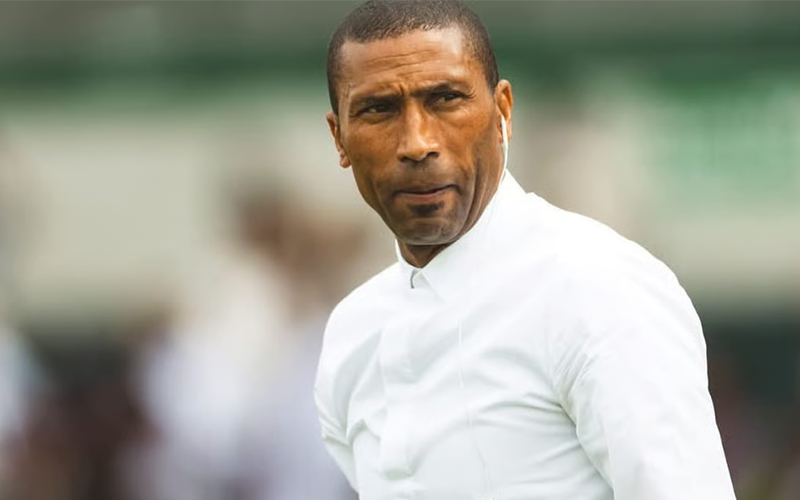
Orlando Pirates coach Abdeslam Ouaddou has made his position on showboating impossible to misread. Even after another win, the Moroccan refused to soften his stance, insisting that technical quality only has value when it drives the team toward goals, chances and victories.
His latest remarks came after Pirates beat Marumo Gallants 2-0, yet the scoreline became secondary. Instead, attention turned toward an argument that has divided opinion across South African football. Former Pirates coaches and club icons have questioned whether the technical bench is stripping away a trademark style that has long entertained supporters.
Ouaddou rejected that reading. He insisted he has no interest in rewriting local football traditions or lecturing South Africans about the game. His responsibility, in his view, is far simpler. He was appointed to make Pirates more efficient, and every decision on the training ground serves that purpose.
That explanation reveals the thinking behind his criticism of showboating. He is not targeting dribbling itself. He is targeting actions that slow attacks, invite unnecessary risk or taunt opponents without improving the team’s position.
Why the Pirates showboating debate goes beyond tricks
For decades, Pirates have been linked with expressive football. The club’s history includes players who thrilled crowds with imagination, quick feet and one-on-one brilliance. That heritage makes any criticism of flair an emotional topic.
The current debate, though, is less about skill than judgement.
Modern elite football rewards players who eliminate defenders, create overloads and attack space. Dribbling remains one of the sport’s most valuable weapons, yet it is increasingly measured by its end product rather than its style. Ouaddou appears determined to place Pirates within that footballing reality.
His frustration also extends beyond the players. He questioned why former figures linked to the club have criticised his methods publicly instead of reinforcing unity around the squad. From his perspective, outside noise creates unnecessary distractions during a demanding season.
Former Pirates striker Bruce Ramokadi has become one of the strongest voices supporting the coach.
Ramokadi’s view reflects an experienced striker’s understanding of decision-making in the final third. He has no objection to individual brilliance, but he believes the line is crossed when entertainment becomes the priority instead of creating an advantage.
His criticism centred on gestures such as standing on the ball during matches, arguing that those moments add little to winning football.
To strengthen his argument, Ramokadi pointed toward Lionel Messi to illustrate how one of football’s greatest dribblers has built his reputation through purposeful actions rather than gestures designed to provoke opponents.
Messi’s brilliance has always come from eliminating defenders, opening passing lanes and finishing attacks. Ramokadi sees that as the benchmark worth following.
The debate also touches a wider issue within South African football.
“Kasi flavour” remains part of the country’s football identity. Creativity, flair and fearless dribbling have inspired generations of players. Yet professional football increasingly demands that creativity exists within a tactical structure. Coaches across elite competitions expect individual talent to strengthen collective performance rather than compete with it.
That balancing act now sits at the heart of Pirates’ dressing room.
Ouaddou’s warning that he could walk away if unnecessary antics continued may sound severe, but it also sends a message about standards. He appears determined to establish non-negotiable principles while building habits that survive high-pressure fixtures against stronger opposition.
Whether every supporter agrees with that philosophy is another matter.