Source: @CAF
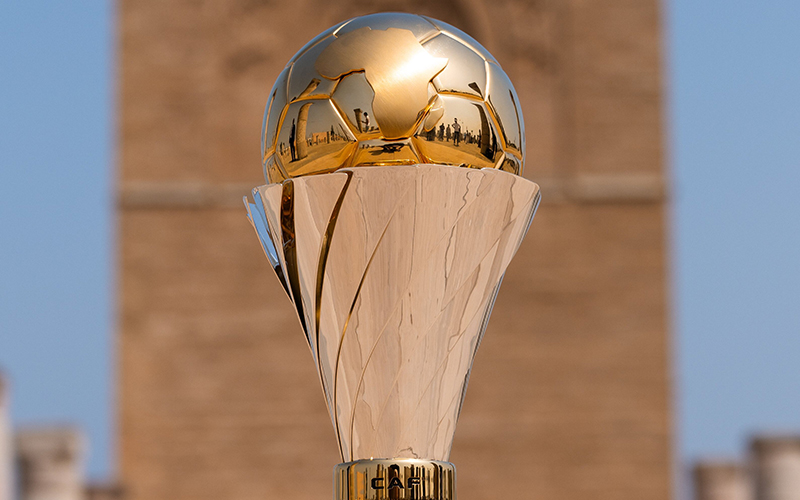
Two very different tournament stories will converge in Rabat on Sunday when Cameroon face Malawi in the 2026 WAFCON Final. Neither nation has previously lifted the Women’s Africa Cup of Nations trophy, ensuring a new champion will be crowned after the decisive contest.
For Malawi, simply reaching the final represents a remarkable achievement on their WAFCON debut. Cameroon’s route has been less unexpected given their pedigree, but their presence in the showpiece is striking for another reason: they were not part of the original 12-team field and only entered after CAF expanded the competition to 16 teams.
That second opportunity has now taken the Indomitable Lionesses to their first final since 2016, when they lost to Nigeria. Ten years later, they have another chance to secure the title that has repeatedly eluded them.
Malawi’s attack faces Cameroon’s defensive wall
Malawi has been one of the tournament’s most productive sides, scoring 12 goals across five matches. Their progress has been built around attacking ambition rather than cautious football, with the Chawinga sisters at the centre of almost everything dangerous.
Temwa Chawinga has five goals, while Tabitha has four, meaning the sisters have accounted for nine of Malawi’s 12 goals. Their influence was particularly evident in the semi-final, when Tabitha scored twice in the 3-1 victory over Algeria.
Yet reducing Malawi’s threat to two players would overlook what has made them difficult to contain. They have scored in every match, beating Nigeria 3-2 in their first game before defeating Egypt and Ghana and then eliminating Algeria. Even their group-stage defeat to Zambia did not derail their campaign.
Cameroon presents a completely different challenge. They have conceded only twice in five matches and have kept clean sheets against Nigeria and Morocco in the knockout rounds.
Much of that defensive resilience has centred on goalkeeper Michaely Kyria Bihina. The Benfica goalkeeper made nine saves against Nigeria before producing one of the defining moments of the semi-finals against Morocco, saving a late penalty and then making three saves in the shootout as Cameroon progressed 3-1 on penalties.
The tactical question for Malawi is therefore straightforward but difficult to solve: can the Chawingas find enough space against a Cameroon side that has repeatedly denied opponents clear opportunities?
Cameroon’s experience against Malawi’s momentum
Cameroon have dealt with the tournament’s biggest tests through control and defensive discipline. Their 1-0 quarter-final victory over defending champions Nigeria was followed by 120 minutes without conceding against Morocco.
They have not needed a high-scoring attack to progress. Cameroon have scored only five goals in the tournament, with Marie Ngah Manga their leading scorer. That makes their efficiency in key moments particularly important.
Malawi, meanwhile, has already demonstrated that tournament experience is not necessarily an advantage. This is their first WAFCON, yet they have defeated established opponents and secured a place at the 2027 FIFA Women’s World Cup along the way.
There is also no previous WAFCON meeting between the sides, so neither can draw on tournament history against the other. That places even greater emphasis on how the contrasting strengths of the two teams interact.
Malawi will want to make the final a game of transitions and attacking opportunities, where their forwards can isolate defenders and attack space quickly. Cameroon are likely to value structure, patience and defensive security, knowing that their goalkeeper and backline have already demonstrated their ability to survive pressure.
The first goal could therefore carry considerable weight. If Malawi scores early, Cameroon will have to open a game they have largely controlled through defensive organisation. If Cameroon strikes first, Malawi may have to chase a team that has conceded just twice throughout the tournament.
Whatever happens, the 2026 WAFCON Final will produce a first-time champion. CAF has confirmed the final for Sunday, 16 August, at 20:00 local time in Morocco.
Where to watch
CAF has listed CAF TV among the tournament’s broadcast platforms, with coverage also available through regional broadcast partners such as SuperSport.