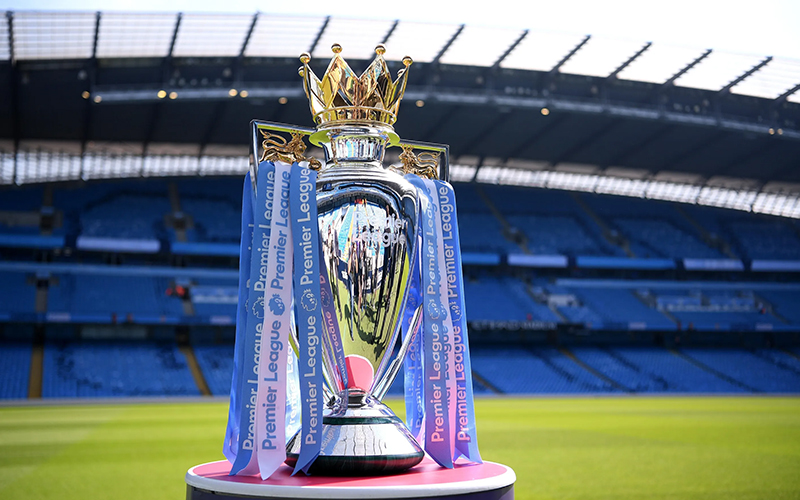
Source: @Premier League
The 2026/27 Premier League season will begin on 21 August, making it one of the latest starts in the competition’s history. While a delay of just one week may appear minor on the surface, it reflects a growing challenge facing football’s governing bodies: finding room in an increasingly congested calendar without further stretching the players who drive the game.
The decision was heavily influenced by the 2026 FIFA World Cup, which concluded less than five weeks before the first ball is kicked in the new Premier League campaign. For many of the league’s biggest names, this summer has been anything but a traditional off-season.
A World Cup Summer Changed the Equation
The modern football calendar rarely offers players much downtime, but the summer of 2026 presented an unusual challenge.
The expanded World Cup ran deep into July, extending the competitive season for hundreds of players across Europe. For those involved in the latter stages, there was little separation between the emotional intensity of international football and the demands that come with preparing for a new domestic campaign.
That reality forced the Premier League into a balancing act. Clubs need sufficient pre-season preparation. Broadcasters need a structured fixture schedule. Supporters expect the season to begin in August. Yet none of those factors can completely override the need for recovery.
A player cannot simply finish a major international tournament, take a brief holiday and immediately return at full capacity. Physical recovery is only part of the equation. Mental fatigue, travel demands and the cumulative effect of playing high-pressure football for eleven months all need consideration.
By pushing the start date back, the Premier League has effectively acknowledged what many managers have argued for years: the calendar cannot keep expanding without consequences.
Why Player Welfare Is Driving More Scheduling Decisions
Football has become faster, more intense and more demanding than at any point in the Premier League era.
Elite players are no longer managing only domestic football. Many spend their seasons moving between league fixtures, European competitions, domestic cups and international commitments. The best players can exceed 60 matches in a single campaign before summer tournaments are even considered.
Against that backdrop, the later start to the 2026/27 Premier League season feels less like a concession and more like a necessity.
The league’s organisers have increasingly placed greater emphasis on recovery periods and fixture spacing. While supporters often focus on transfer activity and opening fixtures during the summer, clubs pay close attention to the amount of preparation time available before a new campaign begins.
That preparation period is particularly important after a World Cup year. Managers will welcome the opportunity to reintegrate international players gradually rather than rushing them back into competitive action.
The later start also allows the Premier League to preserve a healthier gap between the end of one season and the beginning of the next. In an era where concerns about injuries and player workload dominate discussions across the sport, that extra time carries genuine value.
Where to Watch
The 2026/27 Premier League season will be broadcast live in South Africa on SuperSport.
The opening weekend begins on Friday, 21 August, with fixtures scheduled across the weekend and into Monday. As always, supporters should keep an eye on fixture updates throughout the season, as television selections and European commitments can result in schedule changes.