Has the 2026 World Cup lost the beautiful game? Source: @(AP Photo)
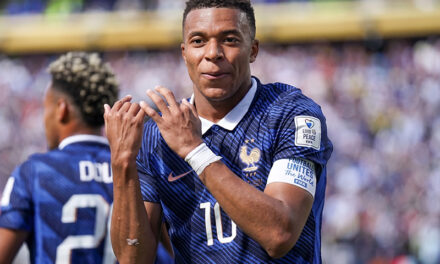
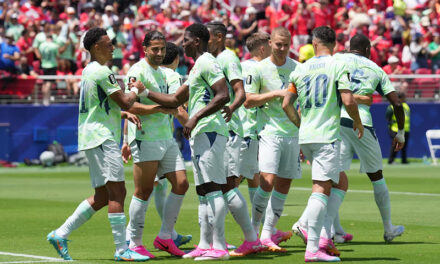
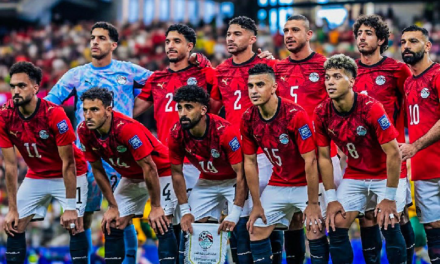
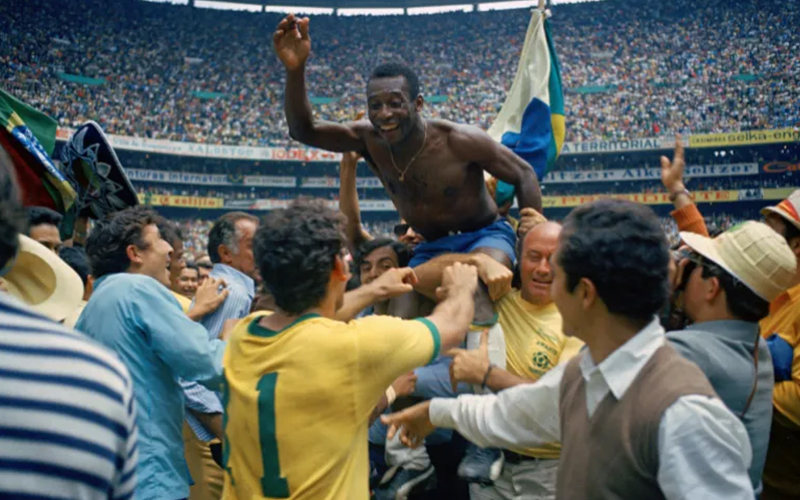
The legendary Pele, who gave us the term the beautiful game, once lamented that modern football no longer cares about the elegance of the sport. Watching the 2026 World Cup unfold, his words resonate louder than ever. The tournament has largely become a rigid display of athletic prowess and tactical discipline, leaving little room for the off-the-cuff brilliance that once defined the sport’s global showpiece.
To understand this shift, we must look back at history. The watershed moment was not a tactical change on the pitch, but a boardroom election in 1974. When Joao Havelange took the reins of FIFA, the era of global corporatisation truly began. Lucrative sponsorships with international brands and skyrocketing broadcast rights transformed football into big business. The financial stakes became so astronomically high that winning at all costs overshadowed the desire to simply entertain.
Consequently, the swashbuckling style of Brazil’s legendary 1970 squad was gradually phased out. Even the glorious failures of the past, like the “Total Football” of the Netherlands in 1974 or the magical Brazilian side of 1982, are now viewed through a lens of tactical naivety. Today, the ruthlessly efficient, hard-running systems pioneered by European powerhouses dictate the global standard.
The corporatisation of football has not only changed how the game is played but also who gets to watch it. Once the undisputed sport of the working class, football has increasingly priced out its most loyal supporters. The 2026 tournament has amplified this tragic trend to historical levels. With some premium tickets inflating by a staggering 600 percent since 2022, reaching nearly $11,000, attending a World Cup match is now an exclusive luxury reserved for the ultra-wealthy.
Can Underdogs Keep the Beautiful Game Alive?
Yet, amidst the corporate sterility and exorbitant ticket prices, the soul of football refuses to die completely. The controversial expansion to 48 teams, driven largely by FIFA’s desire for increased broadcast revenue and advertising space, inadvertently provided a platform for genuine sporting romance.
Cape Verde’s astonishing run to the knockout stages stands as a testament to the sport’s enduring magic. Watching this tiny island nation go toe-to-toe with defending champions Argentina in a heartbreaking 3-2 defeat reminded the world why we fell in love with football in the first place. Tactics and money may rule the modern era, but courage, passion, and fleeting flashes of the beautiful game can still capture the hearts of millions.