Source: @Sportsin
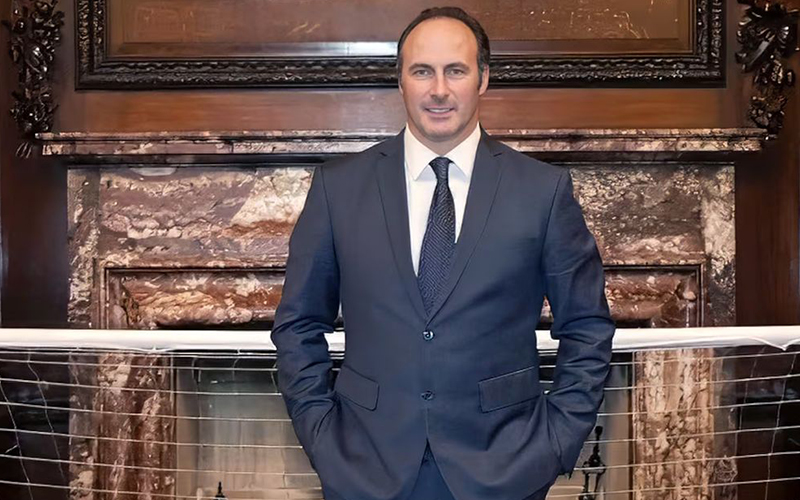
Ramon Vega has put his name forward to oppose Gianni Infantino in next year’s FIFA presidential election, and the former Tottenham Hotspur centre-back has picked a moment when the incumbent looks more exposed than at any stage of his tenure. The 55-year-old won 23 caps for Switzerland and played for Celtic and Watford. He announced his bid through an 11-page dossier, making him the first public rival to the man who has led world football’s governing body since 2016.
Vega has worked in finance since retiring in 2004, so he lacks the administrative pedigree of a conventional contender. His case rests instead on the belief that FIFA’s credibility has eroded and that trust across the global game must be rebuilt through genuine governance reform rather than cosmetic tinkering. He describes the sport as being in an emergency, and he frames his candidacy as a duty to protect its integrity.
The backdrop gives that message an audience. Infantino has been on thin ice with European football since his plan to sell a minority stake in FIFA’s commercial and events operations collapsed, and UEFA is understood to be searching for a credible alternative. Last week the Swiss Football Association, the federation of Infantino’s own homeland, withdrew its support, pointing to concerns over transparency, accountability and institutional responsibility. Losing the backing of a national body in your own backyard is a damaging blow for any leader.
An uphill battle to reach the ballot
Enthusiasm from critics will not be enough. Vega explored bids in 2015, 2019 and 2022 and never gathered the five federation endorsements the rules demand. He insists member associations are now far more open to change, and the mood among European officials lends that claim some credibility. Yet the hurdles remain formidable. He needs the support of at least five of FIFA’s 211 members and a formal proposal from one of them. He must also show involvement in football during two of the last five years and pass an eligibility review, with a deadline of 18 November. A career in finance may invite scrutiny on that last point.
Even so, Vega’s candidacy may matter beyond its own prospects. A long-shot campaign can give restless federations a vehicle for expressing discontent without committing to a rival they consider unelectable, and it can pressure the governing body to address the complaints being voiced. If UEFA settles on a stronger name, Vega could find himself sidelined, though his early declaration has at least forced the question of leadership into open discussion.
For Infantino, the arithmetic of the next six weeks is now less comfortable. Sentiment among European delegates has soured, and an opponent who was once a footnote has been handed a platform. Whether Ramon Vega reaches the ballot or simply opens the door for a more credible figure, the contest for FIFA’s top job has begun in earnest.