Source: Getty Images
The Spain World Cup journey in 2026 is shaping up to be one of football’s great storylines, but Germany and Morocco arrive with equally unfinished business. Three heavyweights, three missions, and one tournament to decide who truly belongs among the elite.
Germany, Spain and Morocco enter the 2026 FIFA World Cup as major threats due to record-breaking campaigns, tactical evolutions, and deep rosters of world-class talent. Four-time champions Germany and the “triple crown” chasers, Spain, will be looking to re-establish their dominance in world football.
The 2014 champions, Germany, were knocked out of the 2022 edition in the group stages after finishing third in Group E. After enduring the pain of two consecutive group-stage exits, Germany have undergone a tactical rebirth and appear to be a reborn powerhouse under Julian Nagelsmann. The German coach has shifted the squad’s philosophy away from rigid possession towards a higher-tempo, direct style that fully unleashes the likes of Kai Havertz & Florian Wirtz. The inclusion of 40-year-old goalkeeper Manuel Neuer and 20 year-old Assan Ouedraogo highlights a blend of experience and emerging talent poised for success.
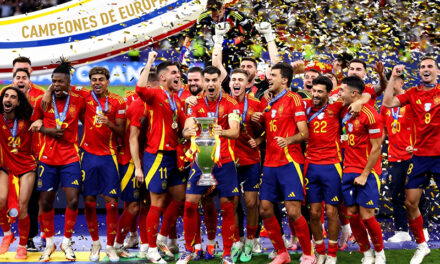
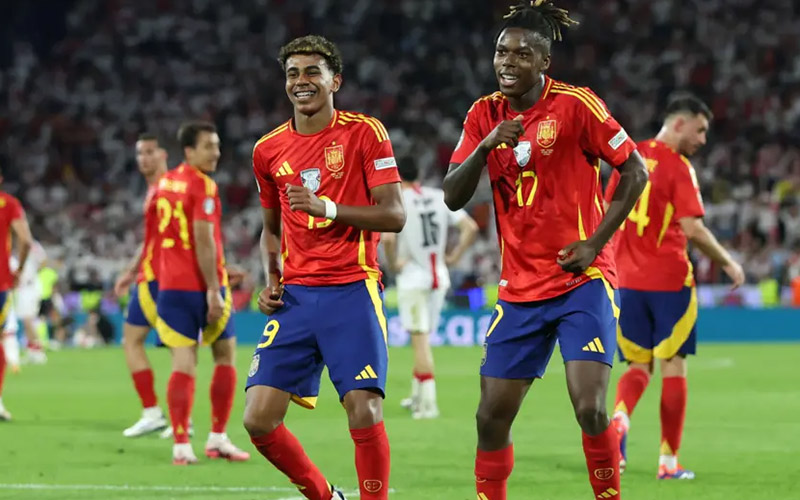
Meanwhile, 2010 champions Spain, who were the victims of a Moroccan football fairy tale in Qatar, are chasing a special place in the history books – “La Roja” could become the first men’s team to simultaneously hold World, Continental (Euro 2024), and Olympic (Paris 2024) titles. Under Luis de la Fuente, the Spaniards have evolved from the possession-heavy “tiki-taka” style of the golden Xavi/Iniesta era to a faster, more direct attacking force. Explosive wingers like teenage sensations Lamine Yamal and Nico Williams will certainly relish the opportunity to flourish at their first ever World Cup like they did in Euro 2024. Spain face Cape Verde in the group stage, a match our panel has broken down in full.
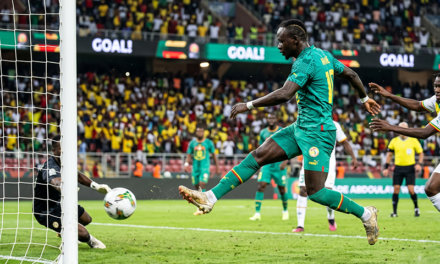
In 2022, the world witnessed the global rise of Lamine’s roots. After becoming the first African and Arab nation to reach a World Cup semi-final, the “Atlas Lions” will fancy their chances of breaking a decades-long “glass ceiling” once again. The world was left stunned when Achraf Hakimi and his North-African teammates dumped out powerhouses like Portugal and Spain. Under new coach Mohamed Ouahbi, the team has transitioned from a defensive “low block” to a more aggressive, attacking 4-1-4-1 system focused on elite attacking football. Real Madrid’s Brahim Diaz and Ayyoub Bouaddi (18-year-old rising star) are certainly part of the elite group of African Diamonds that will be sure to shine in this year’s World Cup.
Can Morocco take the world by storm again? We are about to find out.